Webinar
The Georgia General Assembly passed Senate Bill 233, which is the newest advancement of the education privatization movement in the state. Just before passage, it was changed from a 15-page bill to a 40-page bill overnight. Come learn what is in the bill and what we and advocates will be watching for to prevent further divestment from our public schools.
Learn More

We’ve pulled together some activities and resources for families to use at home for the 2024 solar eclipse. Enjoy!
Learn More
Podcast
Classnotes Podcast (April 3, 2024). Striking inequities in STEM pathways lead to underrepresentation of women and people of color in STEM … read more
Listen Now
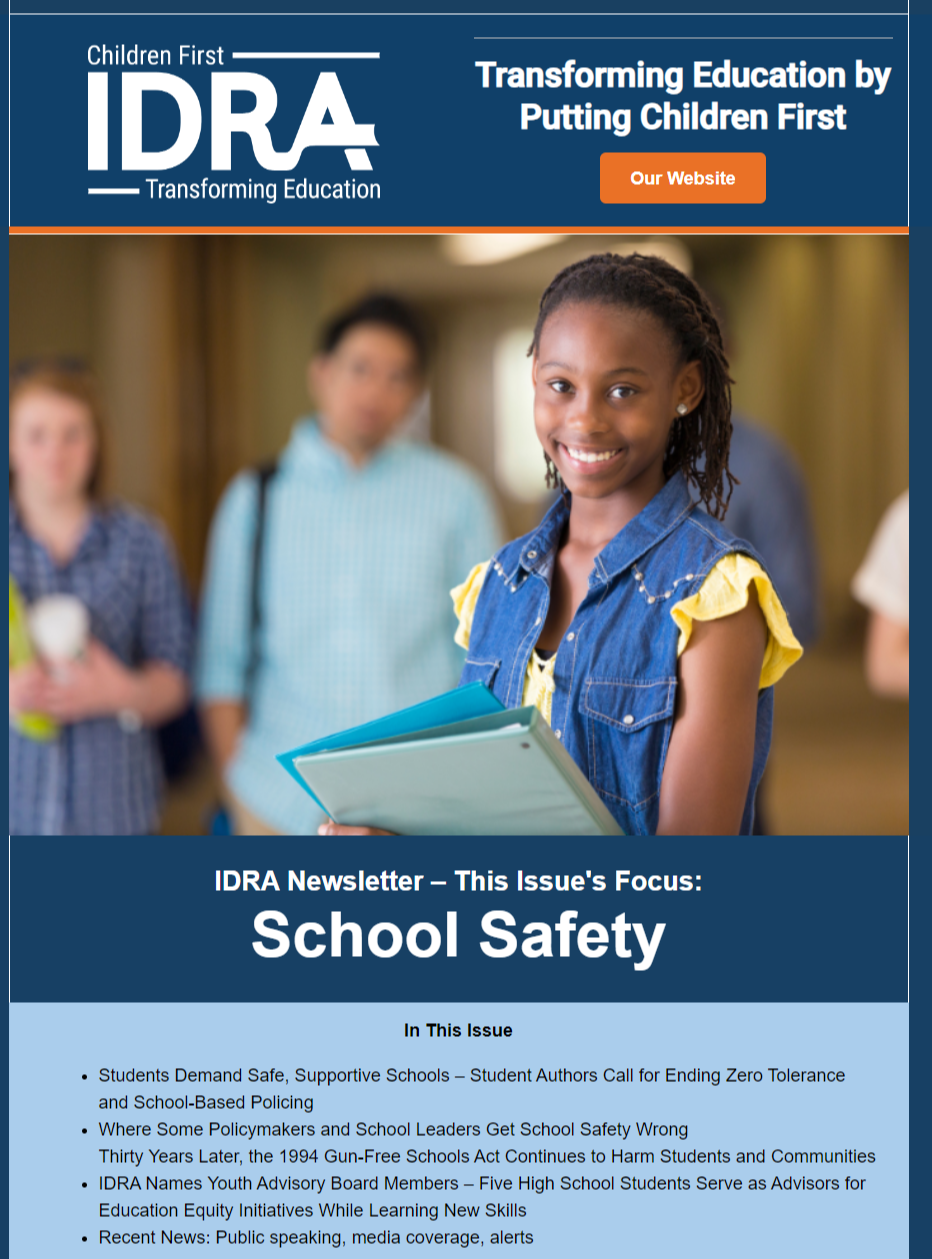
IDRA Newsletter
In this edition:
- Students Demand Safe, Supportive Schools – Student Authors Call for Ending Zero Tolerance and School-Based Policing
- Where Some Policymakers and School Leaders Get School Safety Wrong
- Thirty Years Later, the 1994 Gun-Free Schools Act Continues to Harm Students and Communities
- IDRA Names Youth Advisory Board Members – Five High School Students Serve as Advisors for Education Equity Initiatives While Learning New Skills
- The IDRA Valued Youth Partnership Turns 40!
- Recent News: Public speaking, media coverage, alerts
News
Five Texas high school students will provide their insights about equity in education and advocacy. Since our founding 51 years ago, IDRA has remained committed to prioritizing students in our decision-making. We selected these five student leaders who now form IDRA’s 2024 Youth Advisory Board.
Learn More
eNews
Rodríguez v San Antonio ISDR was a terrible ruling for school funding – But it led to IDRA’s founding :)
Learn More
Statement
The Georgia General Assembly approved Senate Bill 233, a harmful voucher bill that diverts much-needed resources for the state’s 1.7 million students in public schools to cover private school tuition and other expenses for a small few.
Learn More
Release
Mexican American Studies enriches students’ learning of U.S. history, promotes students’ exploration of self-identity and fosters community. These are among the findings of a youth-led research study supported by IDRA. IDRA released the students’ report, MAS for Our Schools – A Youth Participatory Action Research Project on the Status of Mexican American Studies in San Antonio.
Learn More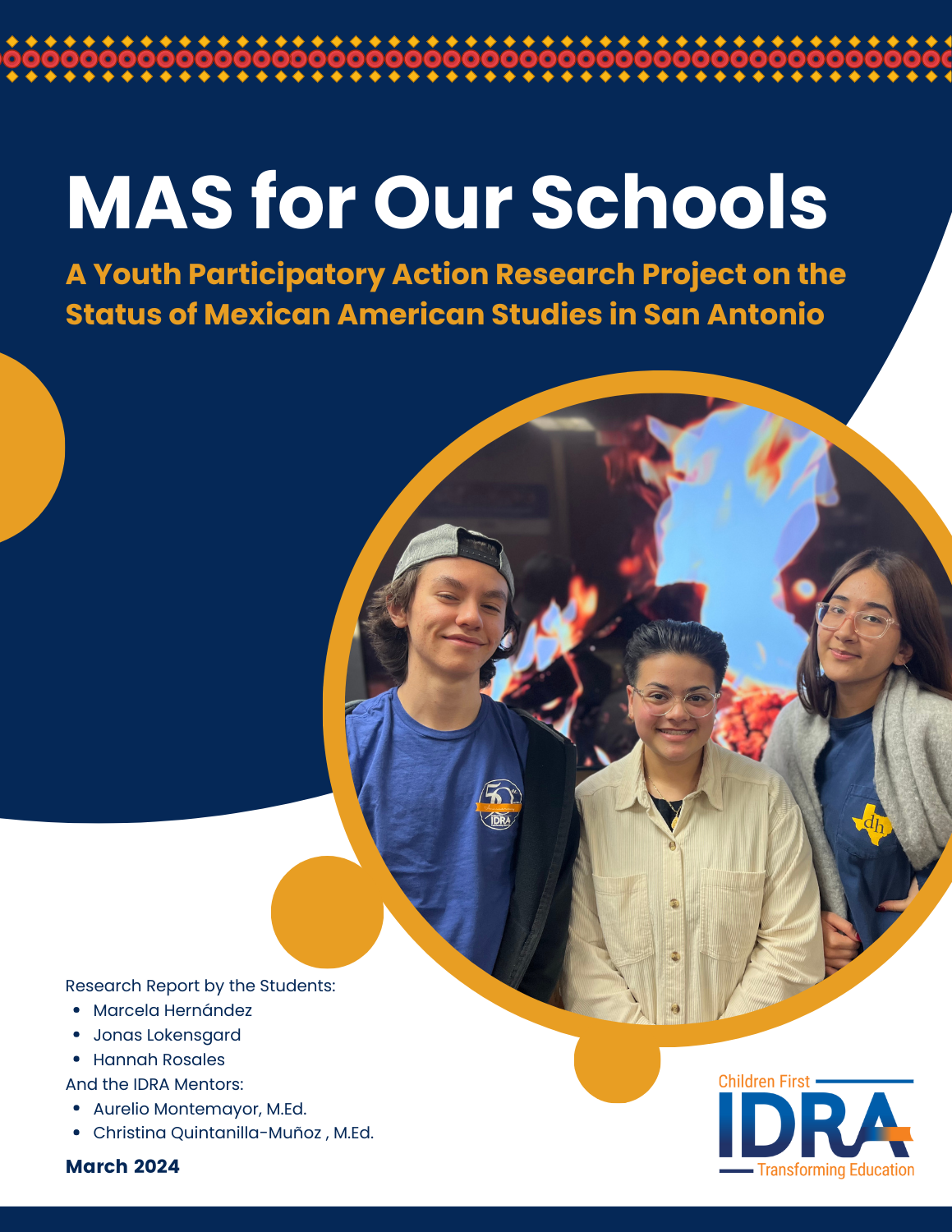
eNews
The Texas State Board of Education set censorship guidelines and delayed further ethnic studies consideration in the first meeting of the year
Learn More
eNews
In this edition:
+ What We’ve Been Working on at IDRA…
IDRA’s 2024 Legislative Priorities in Georgia
Top Education Issues in Southern State Legislatures
+ Southern Research Corner
Ending School Policing
+ South Got Somethin’ to Say – Education Headlines
eNews
His collaborative work with IDRA as a fellow will focus on using quantitative analysis to identify inequities affecting students in charter schools in contrast to their traditional public school classmates, particularly in segregation, student achievement and college readiness.
Learn More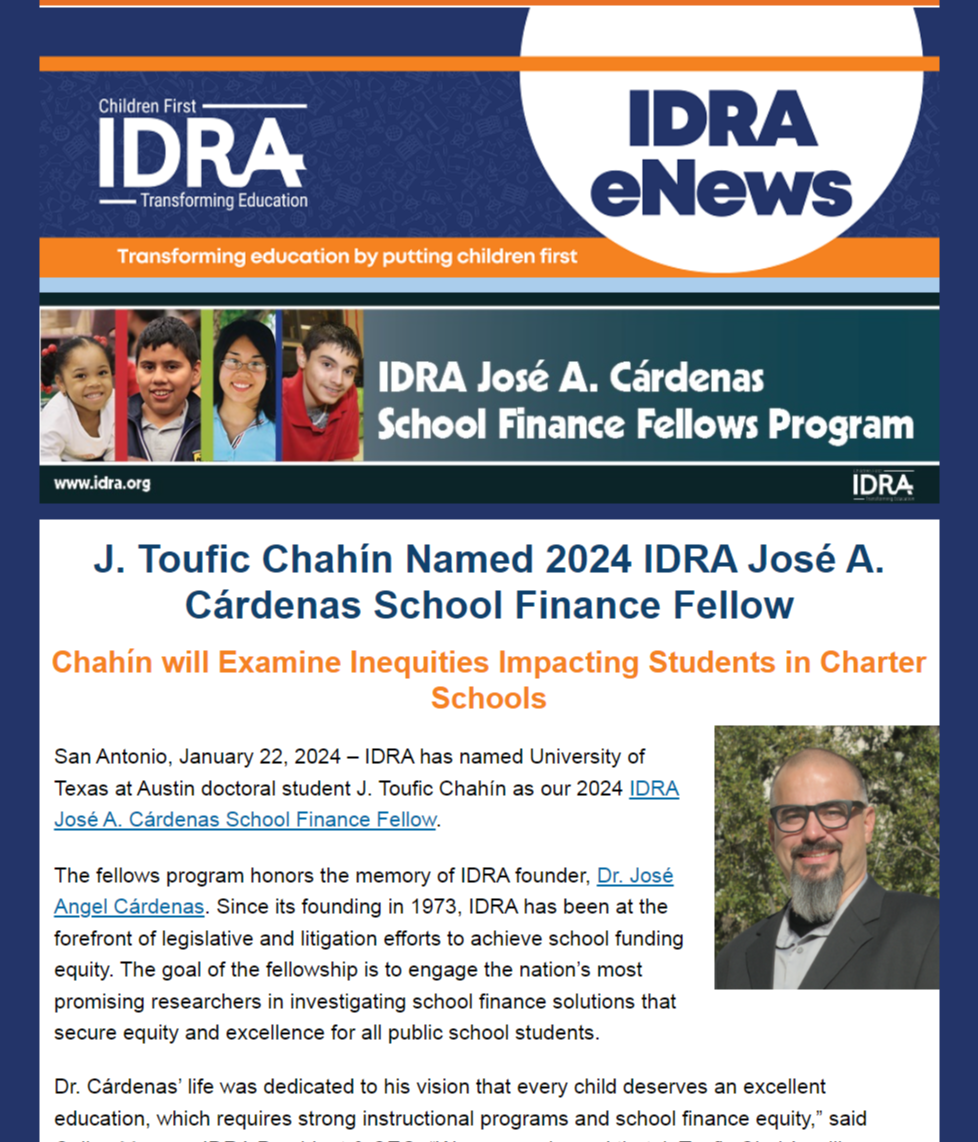
eNews
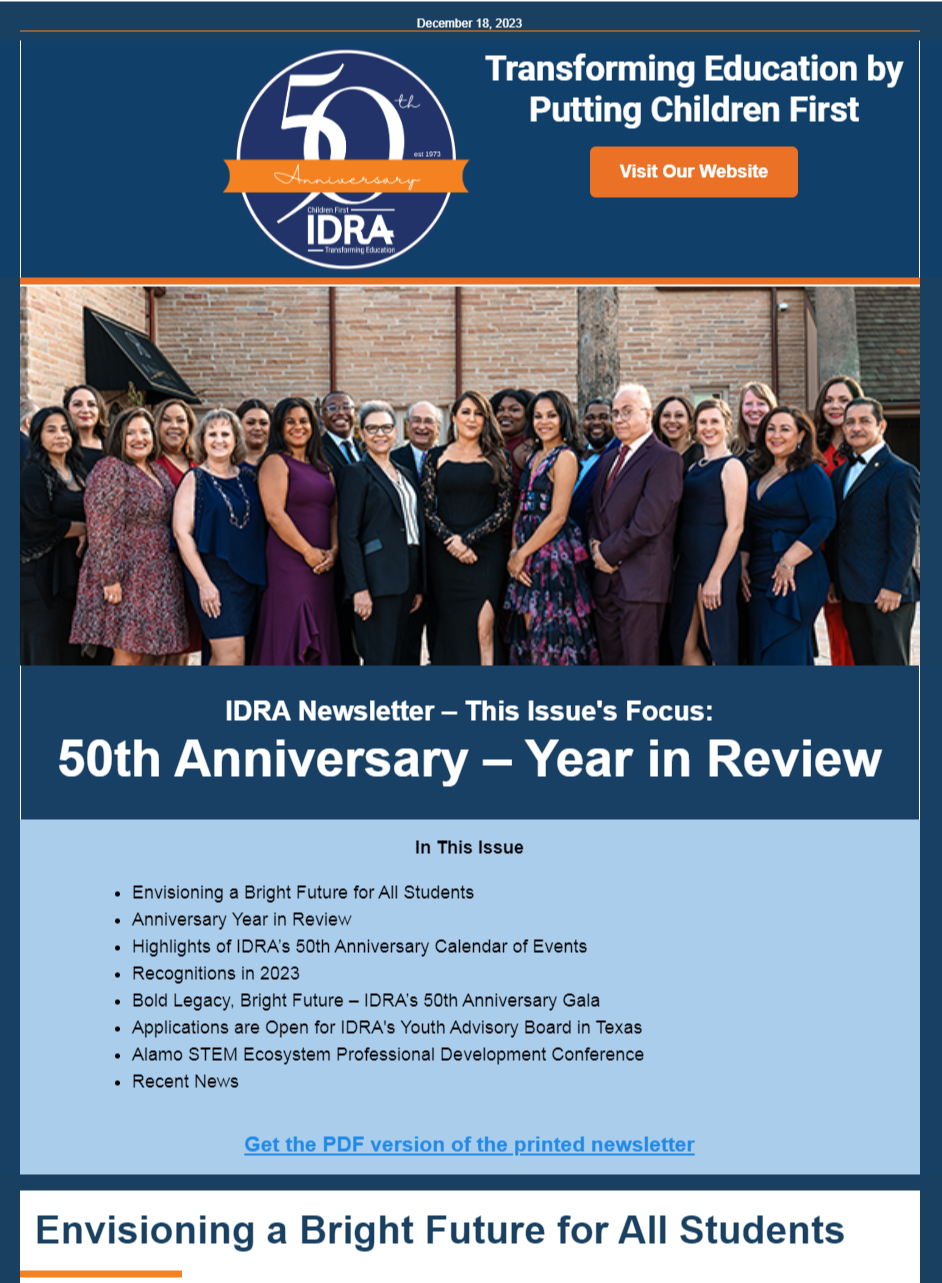
In this issue:
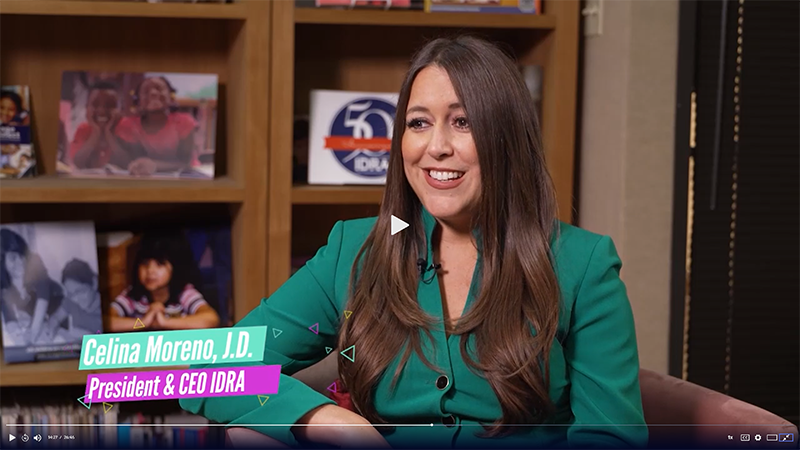
- Envisioning a Bright Future for All Students, by Celina Moreno, J.D.
- Anniversary Year in Review
- Highlights of IDRA’s 50th Anniversary Calendar of Events
- Recognitions in 2023
- Bold Legacy, Bright Future – IDRA’s 50th Anniversary Gala
Research eNews
IDRA Releases Study of the Role of Middle School Counselors in Supporting Students’ College Readiness
Learn More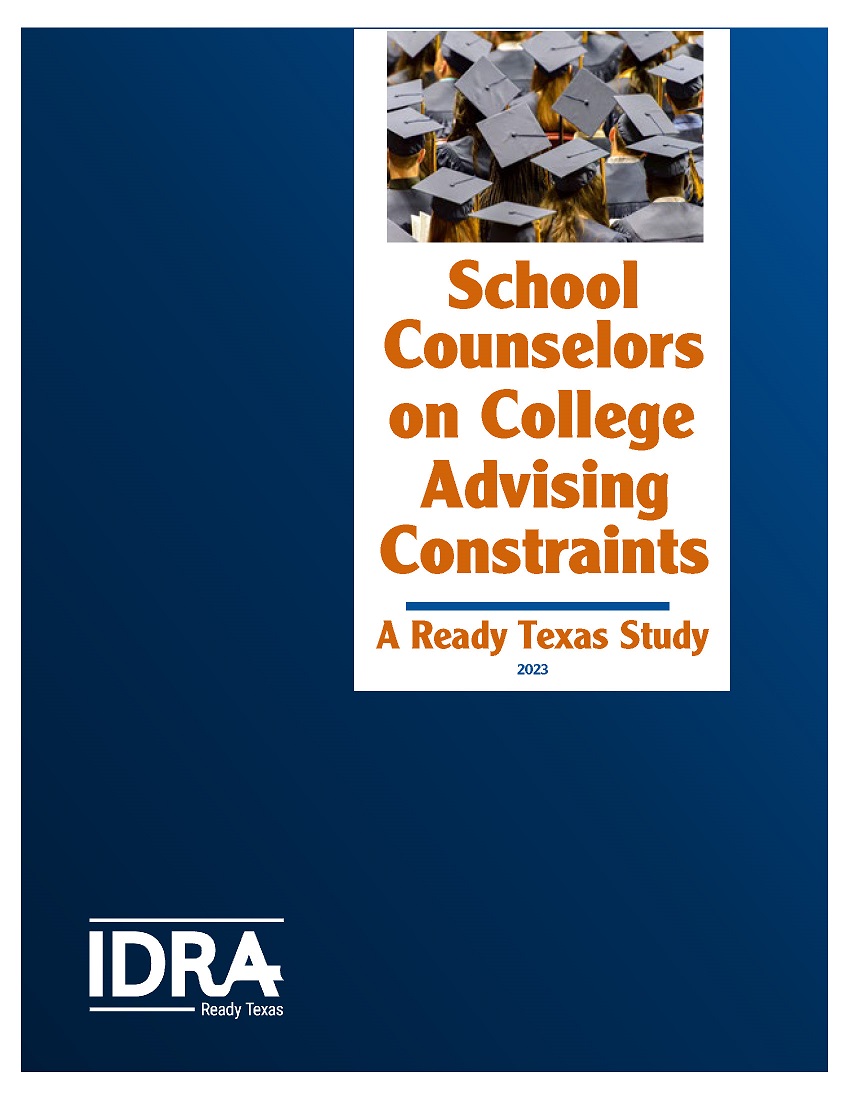
Anniversary
We gathered on November 2 to celebrate the legacy of the IDRA community and look toward the next 50 years of supporting students and public schools across the country. See photos and video features from the event.
Learn More
IDRA 50th Anniversary
Op-Ed
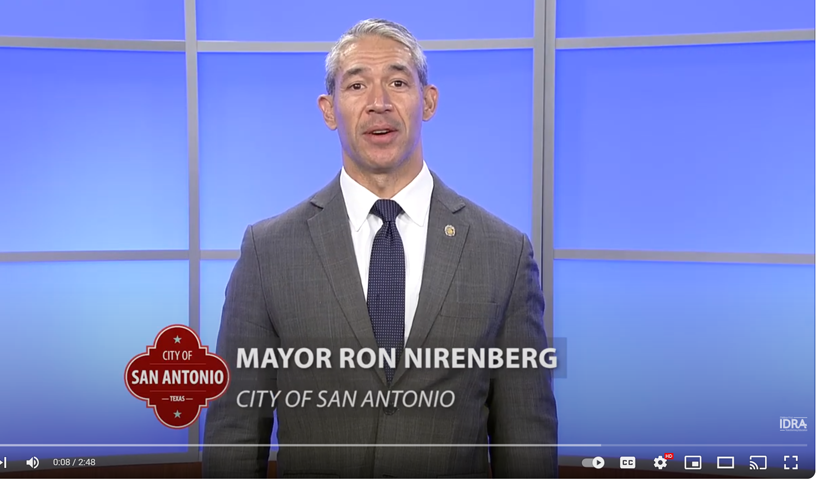
Commentary by expert, Morgan Craven, appears in San Antonio Express-News
Learn More
Digital Inclusion Week Webinar – Now Available On Demand
Learn different ways to use artificial intelligence tools and resources to improve the classroom experience and advance education research. Panelists will discuss the ethical implications of using AI in education and ideas for classroom use.
Learn More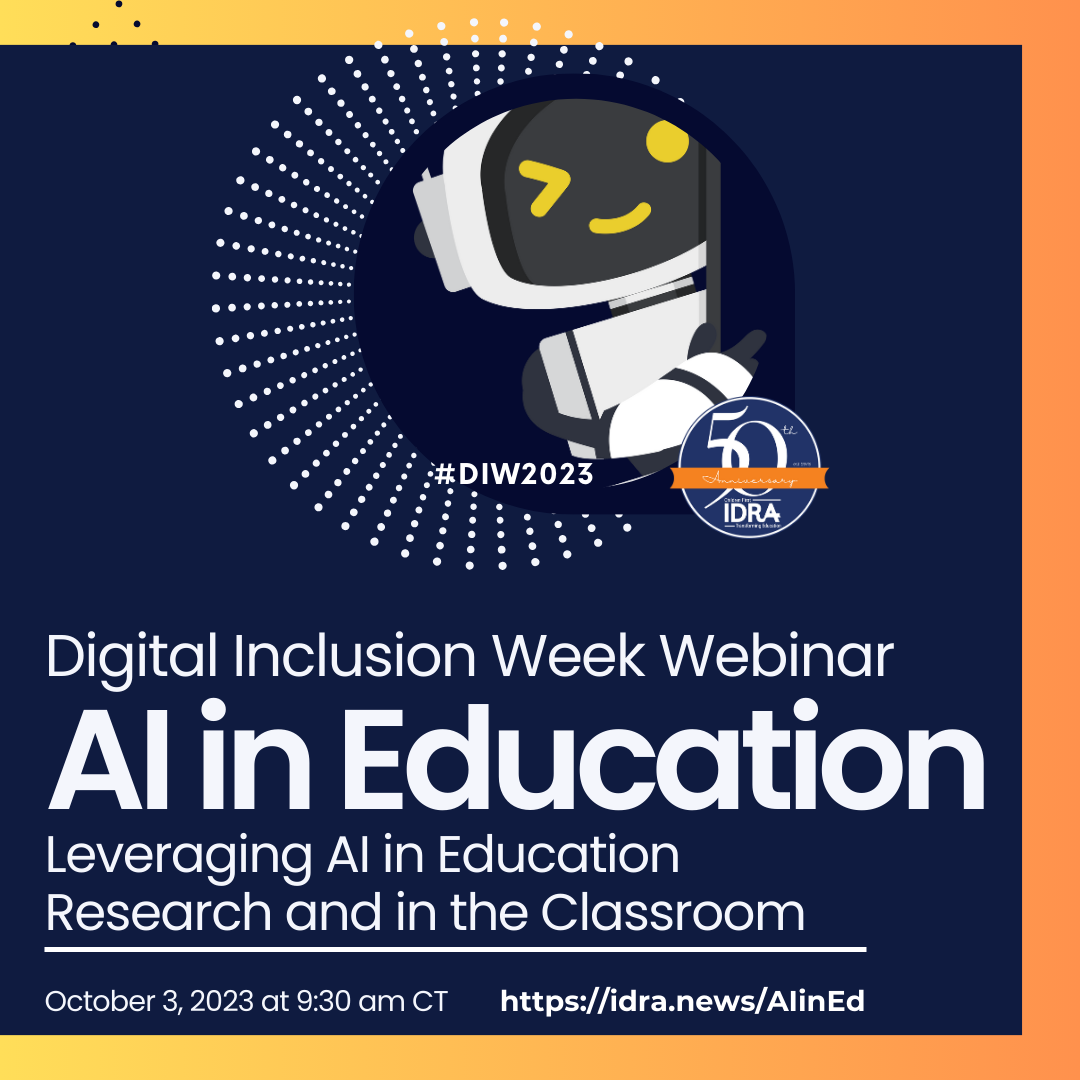
Webinar – Now Available On Demand
Join us for an engaging 90-minute panel discussion that delves deep into the transformative influence of ethnic studies on students and their families. Explore how ethnic studies programs have evolved beyond the classroom, shaping perspectives and fostering a sense of belonging.
Learn More
eNews
As this new school year begins, this alert is a reminder that public schools, by law, must serve all children.
Learn More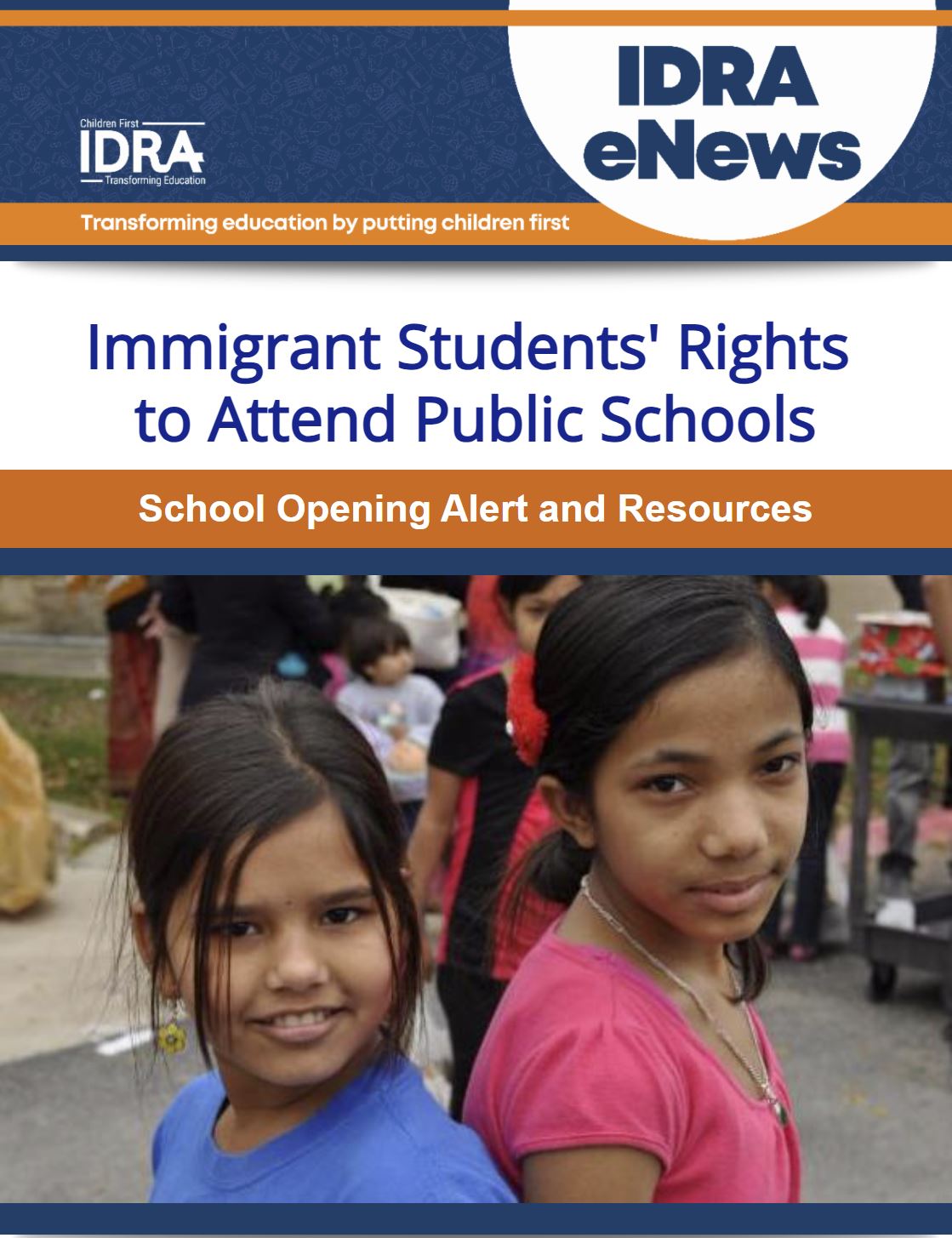
eNews
In today’s climate of classroom censorship, teachers still have a job to do to provide accurate and inclusive education for their students. IDRA developed its award-winning We All Belong – School Resource Hub by first listening to teachers and students who want lessons on history and current events about race and gender and to help provide context to discrimination they have experienced.
Learn More
eNews
Since our founding 50 years ago, IDRA has provided analysis and guidance to policymakers nationally while engaging with communities, educators and students on policy issues to ensure all students have access to equitable and excellent education. IDRA recenlty released our policy priorities to promote educational justice, build excellent and equitable schools, and protect the civil rights of systemically-excluded students, particularly those who are Black, Latino and/or emergent bilingual students.
Learn More
eNews News Release
San Antonio middle school students who are in at-risk situations are becoming the next generation of software coders through IDRA’s innovative project, VisionCoders™. In the new course, eighth graders in two South San Antonio ISD schools are piloting the IDRA VisionCoders class to create educational games for prekindergarten, kindergarten and first grade students.
Learn More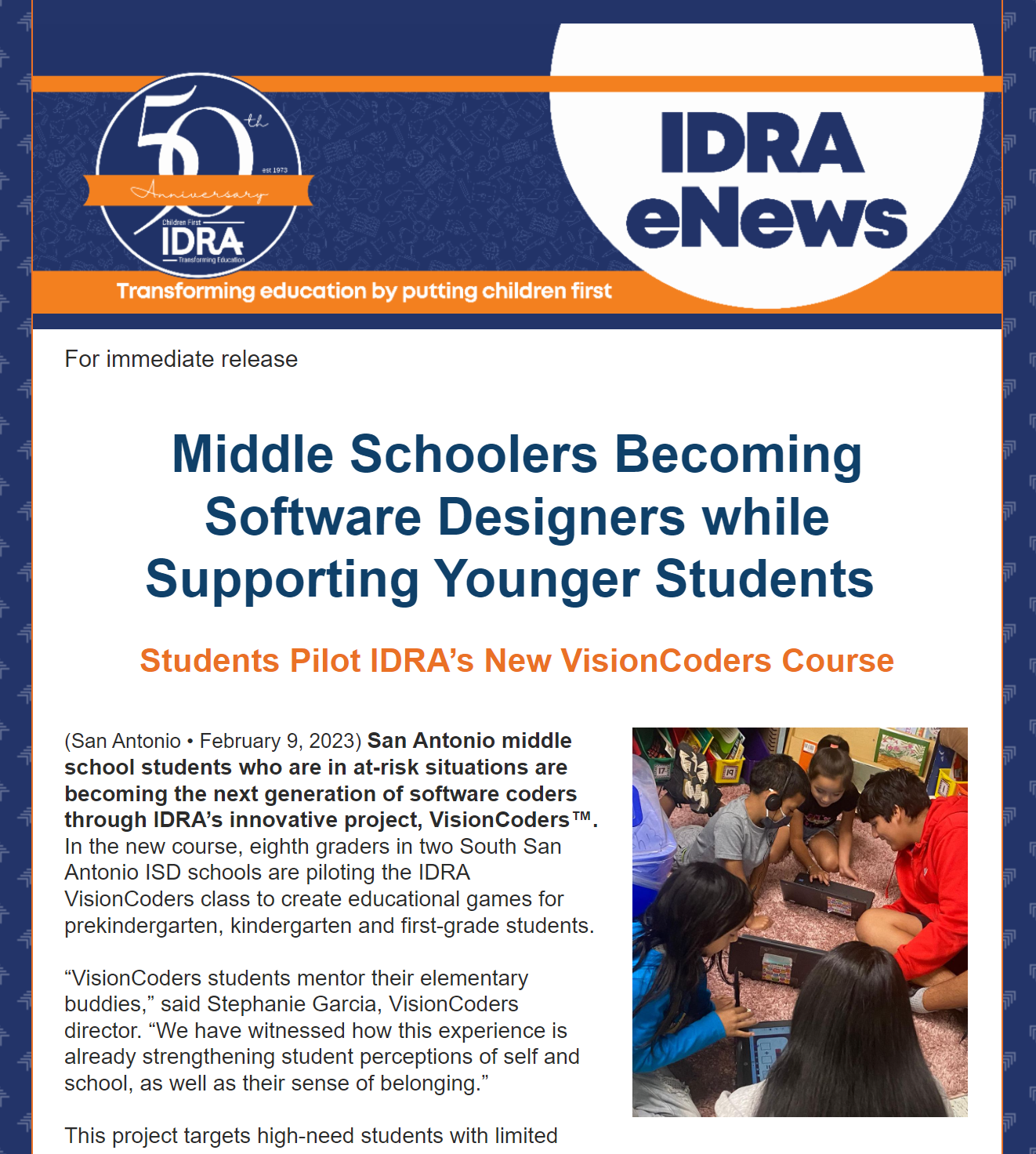
Statement
Exclusionary discipline is not the answer to bullying, harassment or discrimination, whether that discipline is applied against the young person engaging in the bullying or the young person experiencing the bullying.
Learn More
News
A new analysis shows that directives in Virginia Governor Glenn Youngkin’s anti-equity Executive Order 1 do not apply to local school division policy or practice. IDRA released today the study and guide for school leaders, What Virginia’s Anti-Equity Executive Order 1 and Reports Mean for K-12 Schools and Students, to help them continue to promote culturally sustaining school practices.
Learn More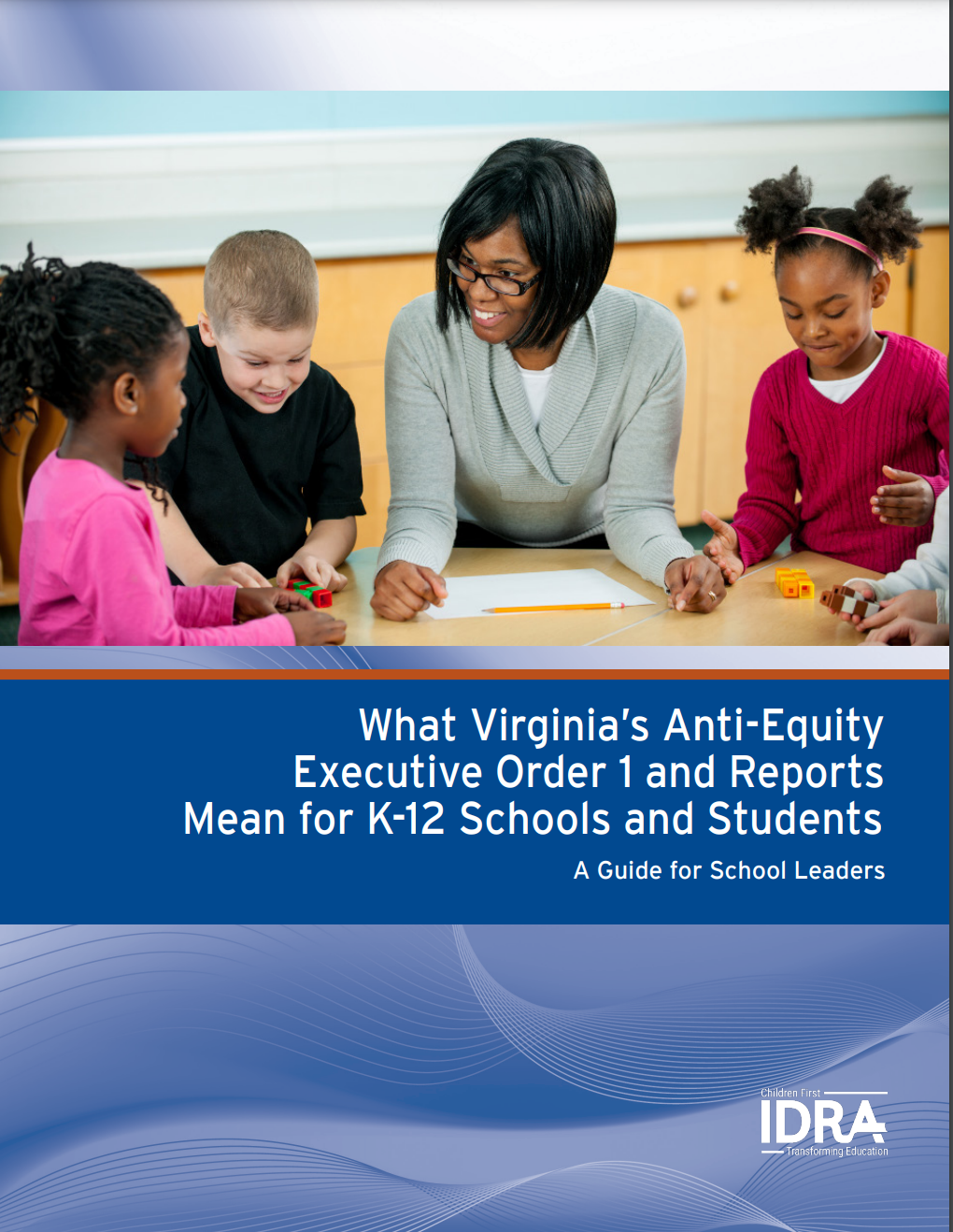
Contact
5815 Callaghan Road, Suite 101
San Antonio, TX 78228
Phone: 210-444-1710
Fax: 210-444-1714